
Wind Energy in Pakistan

The Applause Economy: Why Appearances Keep Winning
July 23, 2025
Top Renewable Energy Companies in Pakistan
December 8, 2025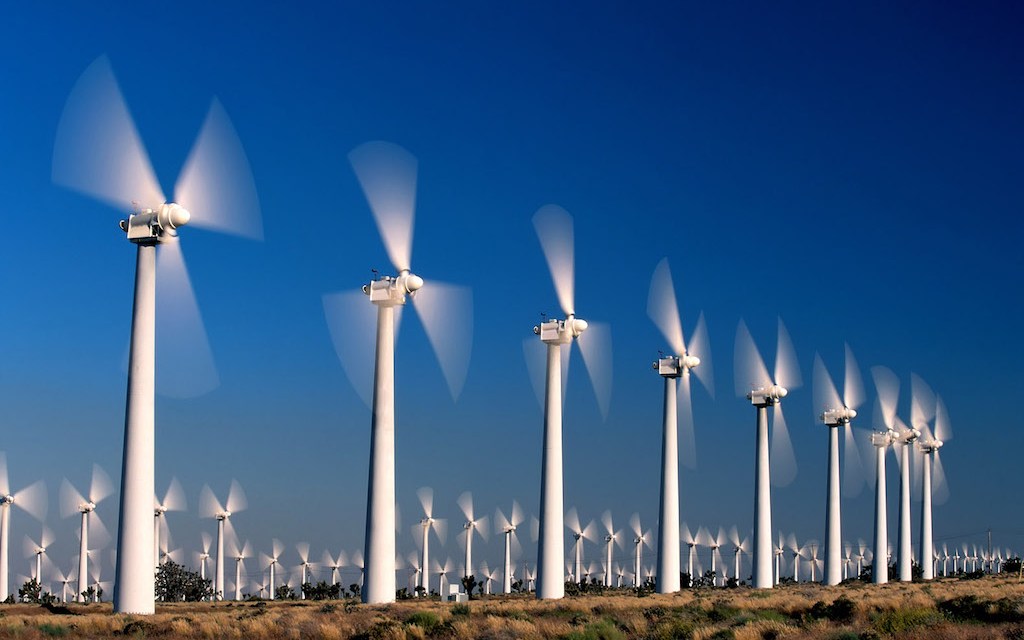
Wind Energy in Pakistan — and the Role of Sachal Energy Development (Pvt) Ltd. (SEDPL)
Introduction
Pakistan has long faced energy shortages, frequent load-shedding, and heavy reliance on imported fossil fuels. In recent years, wind energy has emerged as a promising pillar to diversify the energy mix, reduce carbon emissions, and tap into the country’s abundant natural resources. Among the pioneers of this shift is the private company Sachal Energy Development (Pvt) Ltd (SEDPL), which has already made tangible contributions through its wind power project in Jhimpir, Sindh.
This article explores the broader landscape of wind energy in Pakistan — its potential, challenges, and progress — and delves into how Sachal Energy is helping shape a more sustainable energy future for the country.
Why Wind Energy Matters for Pakistan
Natural Potential & Geography
-
Pakistan has notable wind corridors — especially along the southern coastal belt (Sindh and Balochistan).
-
For example, the region around Jhimpir Wind Corridor (in Sindh) is ideal for wind farms due to favourable wind speeds and geography.
-
Exploiting this natural resource can help Pakistan reduce dependence on imported oil, gas, and coal — which often fluctuate in price and supply.
Renewable, Clean & Sustainable
-
Wind energy does not require fuel and emits no greenhouse gases during operation.
-
As a non-polluting source, it supports both environmental goals (reducing carbon footprint) and long-term energy security.
-
Integration of wind — alongside solar, hydro, biomass — could help diversify Pakistan’s energy portfolio, reducing vulnerability to fossil-fuel supply shocks while promoting sustainable development.
Contribution to National Energy Mix
-
As of 2018, wind power contributed to a portion of Pakistan’s electricity production.
-
With rising energy demand, wind (and other renewables) can reduce pressure on aging thermal plants, improve energy security, and offer a pathway towards cleaner, more stable power supply.
Challenges Facing Wind Energy in Pakistan
Despite the potential, there are substantial challenges that hinder the widescale adoption of wind energy:
-
Regulatory & Policy Uncertainty — Inconsistent policies can discourage investment in wind projects, or hamper long-term planning. sedlpk.com+1
-
Financing and Upfront Costs — Installing wind farms, procuring turbines, and ensuring infrastructure requires substantial capital. Without favorable financing or incentives, many projects struggle to get off the ground. sedlpk.com+1
-
Grid Infrastructure & Integration Issues — Even when wind farms generate electricity, weak transmission and dispatch infrastructure can block efficient delivery to load centers; integration of intermittent wind energy requires upgrades. Business Recorder+1
-
Public Awareness & Support — For renewables to thrive, wider societal understanding and support is needed; historically, fossil fuels have dominated energy planning.
Because of these constraints, many areas of Pakistan’s renewable potential — wind, solar, hydro — remain underexploited. Overcoming these bottlenecks will be critical for the clean-energy transition.
Overview of Wind Energy Projects in Pakistan
-
There are multiple wind farms already commissioned under various projects, contributing to wind power capacity nationwide.
-
Part of these projects fall under larger frameworks such as China–Pakistan Economic Corridor (CPEC), which has helped attract investment and facilitate development.
-
Wind energy is now an established part of Pakistan’s renewable energy mix — but there remains significant room for growth if challenges are addressed.
Sachal Energy Development (Pvt) Ltd (SEDPL): A Pioneer
Who is Sachal Energy?
-
Sachal Energy Development (Pvt) Ltd — commonly referred to as “Sachal Energy” — is a private sector company focused on renewable energy, particularly wind power.
-
It is owned by Arif Habib Corporation Limited (AHCL), one of Pakistan’s large conglomerates.
The Jhimpir Wind Project: Key Facts
-
Location: Jhimpir, District Thatta, Sindh Province.
-
Capacity: 49.5 MW (installed capacity) — 33 turbines × 1.5 MW each.
-
Annual Generation: ~ 136,500 MWh of electricity per year.
-
Carbon Emissions Reduction: About 84,804–85,000 tons of CO₂ equivalent per year by offsetting fossil-fuel generation.
-
Project Type & Framework: Developed under the Early Harvest Programme of CPEC, financed partly by Chinese institutions (for example through Industrial and Commercial Bank of China — ICBC).
-
Power Offtake: Electricity produced is supplied to the national grid via National Transmission and Despatch Company (NTDC), under a long-term (20-year) Power Purchase Agreement.
Significance & Impact
-
The project by Sachal Energy is reportedly the first Pakistani-owned wind power project under CPEC to achieve commercial operation.
-
It helps reduce Pakistan’s reliance on imported fossil fuels, contributes to clean energy supply, and demonstrates that private-sector renewable investments are viable and productive.
-
It is also registered under the Clean Development Mechanism (CDM) as well as the Gold Standard for Clean Energy Projects — meaning its CO₂ reductions are formally recognized.
-
The project yields social and community benefits as well — by creating jobs locally, promoting skill development, and uplifting local communities in Jhimpir.
What Needs to be Done: Way Forward for Wind Energy in Pakistan
For wind energy to reach its full potential in Pakistan, several steps must be taken:
-
Policy & Regulatory Reform: There must be consistent, favorable policies and incentives to attract private investment, streamline licensing, support financing, and ensure long-term viability.
-
Improved Grid Infrastructure: To handle intermittent generation (wind/solar), the national grid must be upgraded — improved transmission, load balancing, energy storage solutions — to ensure that renewable energy can be smoothly integrated.
-
Local Manufacturing & Technology Transfer: As suggested by experts, setting up local wind-turbine manufacturing could reduce costs, increase self-reliance, and create jobs — helping develop an indigenous wind-energy industry. Business Recorder+1
-
Public Awareness & Capacity Building: Educating policymakers, industry stakeholders, and the public on the benefits of renewable energy — its long-term economic, environmental, and social advantages — is critical.
-
Encouraging Public-Private Partnerships (PPP): Collaboration between government (federal + provincial), private companies (like Sachal Energy), foreign investors and development organizations can speed up deployment and scaling of wind energy projects.
Conclusion
Wind energy presents a realistic, sustainable, and increasingly important path for Pakistan to meet its growing energy needs while reducing reliance on fossil fuels. The success of projects like the one managed by Sachal Energy Development (Pvt) Ltd at Jhimpir — producing nearly 50 MW of clean electricity, generating over 136,500 MWh per year, and cutting tens of thousands of tons of carbon emissions — shows what is possible when private initiative, international financing, and proper site selection align.
However, for wind energy to truly take off in Pakistan, structural challenges — policy, financing, grid readiness, and public awareness — must be addressed. With the right long-term strategy and support, wind (alongside solar and hydro) could become a substantial pillar of Pakistan’s energy mix, supporting economic growth, energy security, and environmental sustainability.