
Why Pakistan Is Brilliant at Taxing the Poor-and Terrible at Taxing the Powerful

Top Renewable Energy Companies in Pakistan
December 8, 2025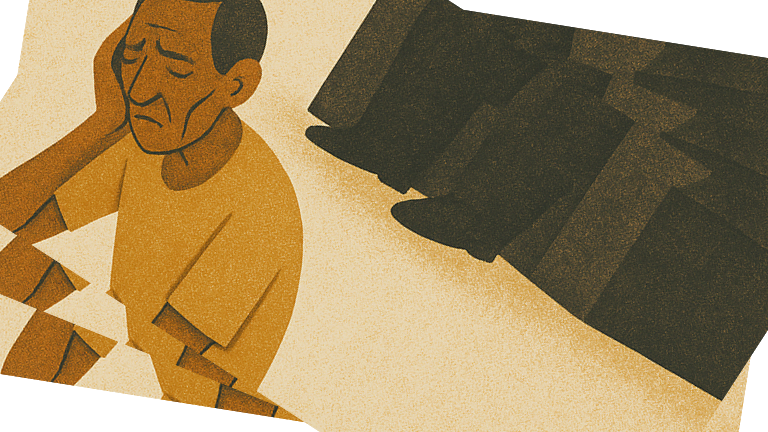
Pakistan does not have a tax collection problem. It has a taxation design problem rooted in governance and incentives. Who pays and who doesn’t, tells us more about the state than any reform slogan ever will.
Every day, millions of Pakistanis pay tax without ever filing a return. It’s embedded in fuel prices, electricity and gas bills, mobile phone usage, banking transactions, transport, and basic consumption. The system works smoothly and efficiently where people cannot opt out.
But when it comes to wealth like land, high-value real estate, large agricultural incomes, entrenched commercial sectors, the same system slows down. Taxation becomes cautious. Negotiable. Sometimes invisible.
This isn’t a failure of technology or knowledge. It’s a reflection of political economy.
Pakistan’s tax structure is built around ease of extraction, not fairness of contribution. Indirect taxes dominate because they are simple to collect and hard to resist. Direct taxes remain narrow because they require confronting influence, exemptions, and organised resistance. The result is a system where the poor and middle class fund the state, while those with the greatest capacity often remain lightly taxed.
Over the past decade, we’ve tried to correct this imbalance through “reform.” Digitisation drives. Documentation campaigns. Institutional restructuring.
Significant money has been spent. Global expertise has been hired. New systems have been rolled out.
Yet one reality refuses to shift: Pakistan still taxes consumption far better than it taxes wealth.
If software, consultants, and funding were enough, this problem would already be solved. The uncomfortable truth is that no system can tax the powerful if the political system itself depends on them. Reform falters not because tools are missing, but because confrontation is avoided. And so reform becomes performance : impressive on slides, modest in outcomes.
The cost of this design is not abstract. It is real and painful.
Regressive taxation deepens inequality. Inflation becomes a silent tax on those least able to absorb it. Public services remain underfunded. Trust erodes. Compliance weakens. People begin to question why honesty is expected from some, but optional for others.
This is how weak taxation turns into weak governance.
A fairer system would start by taxing capacity, not convenience. It would treat land, capital gains, rental income, and large agriculture as serious revenue bases. It would publish the true cost of exemptions. It would protect officers who pursue high-value cases. And it would visibly link taxation to service delivery, so citizens can see where their money goes.
Tax is not just about revenue. It is about legitimacy. It is about who carries the burden of the state and who rides it. Or who is the rider and who is the mule.
Until privilege is taxed with the same confidence as daily life, Pakistan will remain trapped in a cycle of borrowing, inflation, and inequality … efficient at taxing the poor, and hesitant with the powerful.
Article By Mr Kashif Mateen Ansari CEO Sachal Energy Pvt Limited